
Services
Custom Driveway Gates: Materials, Styles & Automation Options
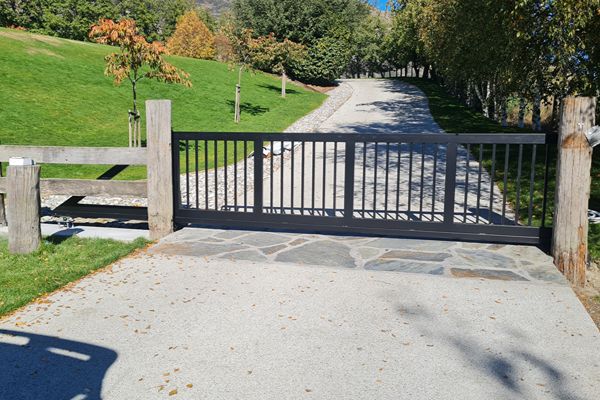
A driveway gate is one of the first things visitors see, and for many homeowners, getting the style and material right matters just as much as the security it provides. Custom driveway gates give you control over both — but the material you choose affects maintenance, cost and how well the gate performs over time.
Here’s a practical comparison of the main custom gate materials and styles available in New Zealand, and how automation fits into each.
Custom aluminium gates
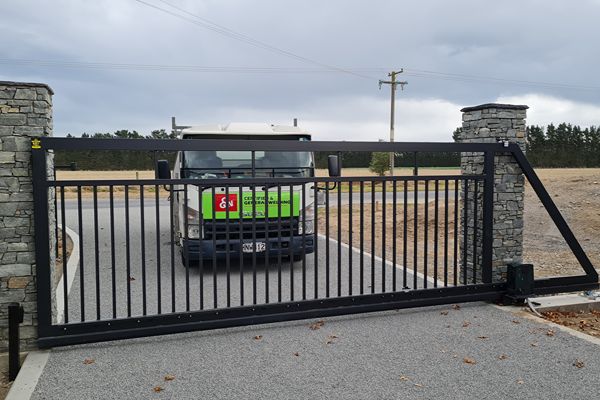
Aluminium is a popular choice for custom driveway gates thanks to its low maintenance — it won’t rust, holds up well in coastal conditions, and is lighter than steel, which can mean a smaller, more cost-effective automation unit. It’s available in a wide range of custom designs, from simple slat patterns through to more decorative options, making it a flexible choice for most home styles.
Custom iron and metal gates
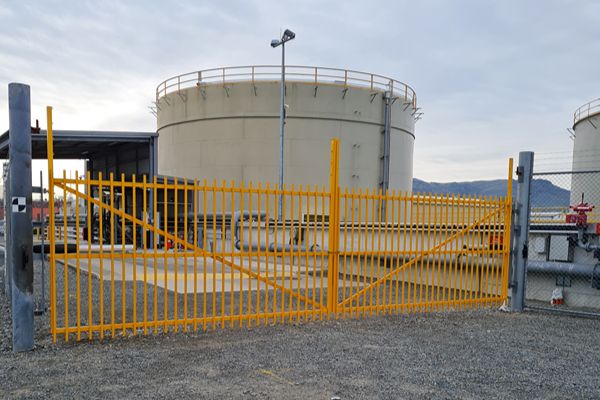
Custom iron gates and other custom metal gates offer a heavier, more traditional look and excellent durability, but they require more upkeep — particularly around rust prevention in exposed coastal or high-rainfall areas. They’re a strong fit for character or heritage-style homes where the aesthetic is a priority, and the extra weight is generally well within the range of standard residential gate automation.
Custom sliding gates vs custom swing gates
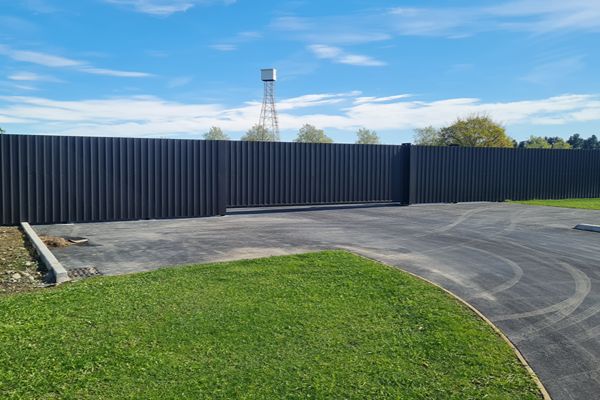
Custom sliding gates work well for driveways with limited swing clearance or a slope that would make a swing gate impractical. They do require a level run for the gate to travel along (unless a cantilever system is used). Custom swing gates suit driveways with enough clearance and are often chosen for their classic appearance, particularly on wider entranceways.
How automation fits with custom gates
Because custom gates for driveways vary widely in weight and size, the automation system needs to be sized specifically to the finished gate — not picked off the shelf first. This is one reason it’s worth finalising your gate design and material before locking in an automation unit, so the motor, sensors and access control are all correctly matched to the final product.
Choosing the right combination for your home
There’s no single best material or style for a custom driveway gate — it depends on your home’s architecture, your maintenance preferences, and your local conditions (coastal exposure, rainfall, sun). The most reliable way to land on the right combination is to talk through your driveway and design preferences with a team that can advise on both the gate build and the automation that will run it.
If you’re planning a custom gate for your driveway, we can help you compare materials and styles alongside the automation options that will suit it best.